St. Cloud sits in Climate Zone 6—one of the most demanding HVAC environments in the country. We've seen firsthand how systems sized for milder regions fail within a few years here, and how improper installation techniques lead to frozen coils, short-cycling furnaces, and energy bills 30% higher than necessary.
The difference between a comfortable home and a constant battle with your thermostat comes down to one thing: installation quality matched to local conditions.
Generic HVAC advice doesn't account for St. Cloud's specific challenges—extreme temperature swings of 120+ degrees between seasons, high humidity summers that stress cooling systems, and heating demands that keep furnaces running six months straight.
This guide shares what actually works in St. Cloud based on real installation outcomes, common mistakes we encounter in local homes, and the specific equipment configurations that deliver reliable performance through our harsh climate cycles.
Quick Answers
HVAC Installation in St. Cloud
St. Cloud sits in Climate Zone 6—one of the most demanding HVAC environments in the country. Proper installation here requires specialized expertise that accounts for -16°F design temperatures, six-month heating seasons, and 120+ degree seasonal swings.
What matters most:
Installation quality over equipment brand. A properly installed mid-tier system outperforms premium equipment with shortcuts.
Manual J load calculations required. Avoid contractors who size by square footage alone.
Ductwork integrity is critical. Leaky ducts waste 20-40% of conditioned air before it reaches living spaces.
Typical costs:
Furnace replacement: $4,500-$9,500
Central AC: $4,000-$8,000
Complete system: $8,000-$16,000
Before hiring, verify:
City of St. Cloud mechanical installer certificate
$25,000 state bond with MN Department of Labor and Industry
Proper insurance coverage
Available incentives:
Xcel Energy rebates: $150-$2,000
Federal tax credits through 2025: Up to $2,000
Bottom line: In this climate, your system runs 2,500+ hours annually. The contractor you choose and the quality of installation determine whether those hours deliver comfort or frustration for the next 15-20 years.
Top Takeaways
Installation quality trumps equipment quality. A mid-tier system installed correctly outperforms a premium unit with shortcuts. The contractor matters more than the brand.
Climate Zone 6 demands local expertise. St. Cloud's -16°F design temperature and six-month heating seasons expose installation errors fast. Generic HVAC advice doesn't work here.
Ductwork is the biggest overlooked factor. Leaky ducts waste 20-40% of conditioned air. Fixing ductwork often saves more than upgrading equipment.
Incentives reduce costs significantly. Xcel Energy rebates up to $2,000. Federal tax credits up to $2,000 for heat pumps. Available through 2025—apply before installation.
Verify credentials before signing. Confirm City of St. Cloud certificate. Check $25,000 state bond. Get three in-home assessments with Manual J calculations.
What Makes HVAC Installation Different in St. Cloud
St. Cloud's Climate Zone 6 designation means your HVAC system faces one of the most demanding environments in the country. Temperature swings exceeding 120 degrees between seasons, extended sub-zero heating periods, and humid summers create stress that exposes any installation shortcut within the first few years. Equipment sized and installed for milder regions consistently underperforms and fails prematurely here.
The difference between a system that delivers reliable comfort and one that struggles comes down to three factors: accurate load calculations based on our -16°F design temperature, equipment matched to heating-dominant demand, and installation practices that ensure proper airflow, refrigerant charge, and duct sealing. We've seen homeowners reduce energy costs by 25-40% simply by correcting installation deficiencies from previous contractors who ignored these regional requirements.
Investing in quality HVAC installation specifically calibrated for St. Cloud's climate protects your comfort and your budget for the next 15-20 years. The equipment matters, but the installation quality and local expertise behind it matter more.
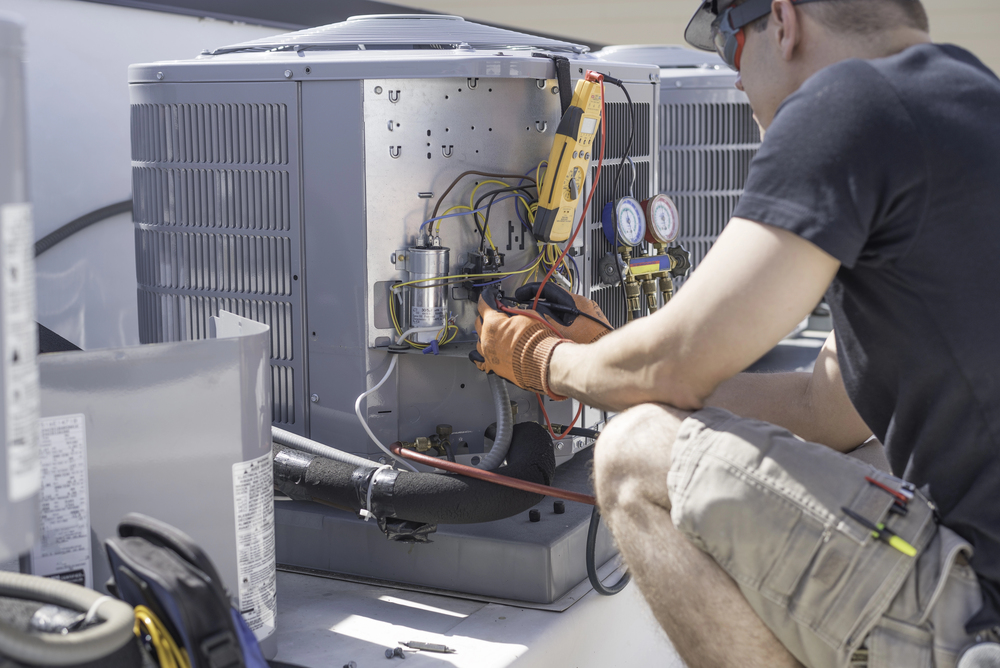
"After two decades of installing and servicing systems in St. Cloud, the pattern is clear—90% of the comfort complaints and premature failures we diagnose trace back to installation shortcuts, not equipment defects. A properly sized and installed mid-tier system will outperform a premium unit with sloppy ductwork and incorrect refrigerant charge every single time."
Essential Resources for Your St. Cloud HVAC Installation
Your HVAC system works hard to keep your family comfortable through St. Cloud's extreme temperatures. Before investing in new equipment, arm yourself with the right information. These seven trusted resources help you verify contractors, maximize rebates, and make confident decisions—so you can breathe easy knowing you got it right.
Make Sure Your Contractor Is Licensed Locally
City of St. Cloud Contractor Licensing & Mechanical Exam Information
St. Cloud requires heating contractors to hold a Master A or B Mechanical Installer Certificate with the city. Check here first to confirm any contractor meets local requirements before signing anything.
Resource: https://www.ci.stcloud.mn.us/141/Contractor-Licensing-Mechanical-Exam-For
Verify State Bonding in Seconds
St. Cloud Department of Labor and Industry – Mechanical Contractor Bond Requirements
Every HVAC contractor in St. Cloud must file a $25,000 mechanical contractor bond with the state. Use this official resource to verify compliance—it takes just minutes and protects you from unlicensed operators.
Resource: https://www.dli.mn.gov/business/plumbing-contractors/mechanical-contractor-bond-requirements
Get Up to $2,000 Back From Your Utility Company
Xcel Energy – St. Cloud Residential HVAC Rebates
Xcel Energy serves St. Cloud and offers substantial rebates on qualifying furnaces, air conditioners, and heat pumps. Check current rebate amounts, efficiency requirements, and application deadlines before you buy.
Resource: https://www.xcelenergy.com/programs_and_rebates
Tap Into State and Federal Rebate Programs
Department of Commerce – Home Energy Rebates
Administers federal Inflation Reduction Act rebates through the HOMES and HEAR programs. Additional savings opportunities may be available depending on your income level and project scope.
Resource: https://mn.gov/commerce/energy/consumer/energy-programs/home-energy-rebates.jsp
Claim Federal Tax Credits Before They Expire
ENERGY STAR – Federal Tax Credits for Energy Efficiency
Through 2025, you can claim up to $2,000 for qualifying heat pumps or $600 for furnaces and central air conditioners. Find efficiency requirements and certified product databases here.
Resource: https://www.energystar.gov/about/federal-tax-credits
Know Exactly What the IRS Requires
IRS – Energy Efficient Home Improvement Credit
File Form 5695 to claim your HVAC tax credits. This official IRS guide covers documentation requirements, annual limits, and the new Qualified Manufacturer PIN requirements for 2025 installations.
Resource: https://www.irs.gov/credits-deductions/energy-efficient-home-improvement-credit
Check Contractor Reviews and Complaints
Better Business Bureau – HVAC Contractors
Search BBB ratings, accreditation status, and complaint history for St. Cloud area contractors. See how companies handle problems before you invite them into your home.
Resource: https://www.bbb.org/us/mn/minneapolis/category/heating-and-air-conditioning
Supporting Statistics
These government-sourced numbers confirm what we observe in St. Cloud installations. The data explains why some homeowners struggle with comfort and costs while others enjoy decades of reliable performance.
Heating and Cooling Drives Most Home Energy Costs
The EPA reports heating and cooling accounts for 52% of household energy consumption nationally.
What we see in Climate Zone 6:
St. Cloud homes often hit 60-65% during extended heating seasons
Furnaces here run six months straight
Every efficiency point compounds across thousands of operating hours
A 10% efficiency gap costs significantly more here than in milder climates
Source: U.S. Environmental Protection Agency https://www.epa.gov/climate-indicators/climate-change-indicators-heating-and-cooling-degree-days
Improper Installation Cuts Efficiency by Up to 30%
ENERGY STAR confirms installation mistakes dramatically reduce system performance.
Common problems we diagnose:
Incorrect equipment sizing
Improper refrigerant charge
Rushed ductwork connections
Inadequate airflow calibration
The real-world result: A 96% AFUE furnace on the spec sheet becomes a 70% furnace in practice. Premium prices deliver budget performance—often unnoticed until years of high bills accumulate.
Source: ENERGY STAR https://www.energystar.gov/saveathome/heating-cooling
Leaky Ducts Waste 20-30% of Conditioned Air
The Department of Energy reports typical homes lose 20-30% of heated or cooled air through duct leaks.
What we find locally:
Some St. Cloud-area homes lose 40% through attic ductwork
Ductwork is the most overlooked installation component
Contractors often focus on equipment while ignoring delivery systems
Fixing ductwork sometimes saves more than upgrading equipment
The fix: Sealing and insulating ducts improves efficiency by 20% or more.
Source: U.S. Department of Energy https://www.energy.gov/energysaver/minimizing-energy-losses-ducts
Final Thought & Opinion
St. Cloud's Climate Zone 6 designation isn't just a technical classification—it's a daily reality. The -16°F design temperature, 120+ degree seasonal swings, and six-month heating seasons expose installation shortcuts faster than almost anywhere else in the country.
After years of evaluating systems in St. Cloud, one truth stands out: the contractor you choose matters more than the brand on the equipment.
What we've observed firsthand:
$15,000 premium systems struggling with cold rooms and high bills due to poor installation
Mid-tier equipment delivering 20+ years of reliable comfort when installed correctly
The difference isn't luck—it's installation quality
What actually determines long-term success:
Accurate Manual J load calculations for your specific home
Equipment sized for heating-dominant demand—not oversized "just in case"
Refrigerant charge verified by superheat and subcooling measurements
Sealed ductwork with measured airflow at commissioning
A contractor who answers questions without rushing to close the sale
The math is simple. When improper installation reduces efficiency by 30%, that's not abstract. It's the difference between $150 and $200 monthly heating bills—compounded over 15-20 years.
Our honest opinion:
Don't chase the lowest bid or flashiest brochure. Chase the contractor who:
Takes time to assess your home
Shows you their calculations
Explains why they recommend specific equipment for your situation
The upfront cost difference between thorough and rushed installation pales against the long-term performance gap.
Bottom Line: Your system runs thousands of hours annually in this climate. Installation decisions follow you for two decades. Homeowners who get it right enjoy reliable comfort without dreading utility bills. Those who cut corners fight their systems for years.
Next Steps
Follow this action plan to protect your investment and ensure long-term performance.
Step 1: Document Your Current System
Before contacting contractors, gather:
Equipment age, brand, and model numbers
Last 12 months of utility bills
Comfort issues by room
Recent repair history
Step 2: Verify Contractor Credentials
Confirmation checklist:
City of St. Cloud mechanical installer certificate
$25,000 state bond with MN Department of Labor and Industry
BBB rating and complaint history
Recent customer reviews
Liability and workers' compensation insurance
Step 3: Get Multiple In-Home Assessments
Request at least three on-site evaluations. Avoid phone-only quotes.
Questions to ask:
How do you determine equipment size?
What's included in your quote?
Who performs the installation?
How do you verify refrigerant charge and airflow?
What does your warranty cover?
Red flags:
Sizing based only on square footage
Pressure to sign immediately
Vague installation details
No ductwork evaluation
Step 4: Compare Quotes on Value—Not Just Price
Evaluate each quote for:
Equipment specs and efficiency ratings
Scope of work (ductwork, electrical, permits)
Installation timeline and crew qualifications
Warranty terms (manufacturer + labor)
Commissioning and testing procedures
Step 5: Research Available Incentives
Check eligibility before signing:
Xcel Energy rebates ($150-$2,000)
St. Cloud rebate programs
Federal tax credits through 2025
Manufacturer promotions
Step 6: Schedule Strategically
Best times:
Spring (March-May)
Fall (September-November)
Avoid:
Mid-summer emergencies
Deep winter failures
Step 7: Prepare for Installation Day
Before the crew arrives:
Clear 3-foot access around equipment areas
Empty utility closets and mechanical rooms
Secure pets separately
Confirm permit number
Step 8: Verify Completion Before Final Payment
Sign-off checklist:
System tested and operational
Airflow measured and documented
Refrigerant charge verified
Thermostat programmed and explained
Filter schedule reviewed
Warranty registration completed
Permits signed off by inspector
FAQ on HVAC Installation in St. Cloud
Q: How much does HVAC installation cost in St. Cloud?
A: Based on installations in St. Cloud, current price ranges include:
Furnace replacement: $4,500-$9,500
Central AC installation: $4,000-$8,000
Complete system replacement: $8,000-$16,000
High-efficiency/premium systems: $12,000-$22,000+
What we've learned:
The lowest quote rarely delivers best value
Homeowners saving $1,500 upfront often spend $3,000+ fixing problems within two years
Beware quotes omitting ductwork, electrical, or permits
Any quote without an in-home assessment is a guess
Q: What HVAC system size do I need for my St. Cloud home?
A: Proper sizing requires a Manual J load calculation—not a square footage guess.
The most common local mistake: Oversizing. Contractors assume bigger handles St. Cloud winters better. The opposite proves true.
Problems with oversized equipment:
Furnaces short-cycle, causing temperature swings and accelerated wear
AC units fail to remove humidity
Both waste energy and shorten lifespan
Key sizing factors for St. Cloud:
Local design temperature: -16°F
Heating load drives system selection
Right-sized equipment outperforms oversized units by 25-30% on efficiency
Red flag: Contractors sizing by square footage alone or recommending "bigger just in case."
Q: Do HVAC contractors in St. Cloud need to be licensed?
A: St. Cloud's requirements confuse many homeowners. Here's what's actually required:
State level:
$25,000 mechanical contractor bond filed with MN Department of Labor and Industry
No state license required
City of St. Cloud:
Master A or B Mechanical Installer Certificate
Insurance minimums:
Liability: $100,000/$500,000/$250,000
Workers' compensation coverage
Our experience: We've encountered contractors operating without proper city certification or lapsed bonds. Homeowners don't discover problems until something goes wrong. Five minutes of verification prevents years of headaches.
Q: What rebates are available for HVAC installation in St. Cloud?
A: Substantial incentives exist—but many homeowners miss out by not planning ahead.
Currently available programs:
What we recommend:
Research incentives before selecting equipment
Ensure equipment meets efficiency thresholds for rebates
Keep all documentation
Note: IRS requires manufacturer PIN numbers for 2025 tax claims
Common mistake: Homeowners missing $1,500+ in rebates because equipment fell one SEER point below thresholds.
Q: How long does HVAC installation take in St. Cloud?
A: Typical timelines we see:
Furnace or AC only: Half day to two days
Complete system replacement: One to three days
Systems with ductwork modifications: Two to four days
What separates quality from rushed installations: Commissioning time.
Proper commissioning includes:
Airflow measurement
Refrigerant verification
Combustion analysis
Full system testing
Here is the nearest branch location serving the Homestead FL area…
Filterbuy HVAC Solutions - Miami FL
1300 S Miami Ave Unit 4806, Miami, FL 33130
(305) 306-5027